Which Diamond Shape Looks the Biggest?

While different diamond shapes can appear larger or smaller than others, there are other factors that contribute to the appearance of the size of your gemstone.  If you’re interested in maximizing the look of your lab-grown diamond without necessarily increasing the carat weight, we can offer you some guidance. 

What Makes a Diamond Look Big?

Face-Up Surface Area

A lab-grown diamond’s face-up surface area is the visible area one sees when looking directly down at the ring. Diamonds with a larger face-up surface area can appear bigger than other stones of the same carat weight. Well-proportioned cuts impact the surface area, making the gemstone appear larger, while a deep-cut diamond carries more weight below the surface. This makes it appear smaller from above.

Length-to-Width Ratio

Elongated diamond cuts, such as oval, marquise, pear, and emerald, have a higher length-to-width ratio. This creates a longer silhouette, which can make a diamond appear larger than a round-cut diamond of the same carat weight.

Cut Quality

The proportions and brilliance of a diamond are directly influenced by the quality of its cut. When a diamond is crafted with a high-quality cut, it optimizes light reflection and presents a larger face-up profile.

Setting Style

The style of a setting creates the visual impression of a larger diamond by manipulating light reflection, physical boundaries, and visual proportions. Settings such as a halo, bezel, four-prongs, and cathedral style can make a diamond look larger.

Diamond Shapes Ranked by Apparent Size

The shape of a diamond significantly influences its perceived size, affecting the visual impression from the largest-looking cuts to the smallest.

Moval

A moval-shaped diamond combines the soft curves of an oval with the tapered shape and pointed tips of a marquise. This dramatic length creates the optical illusion of large size with a slimming effect on the finger.

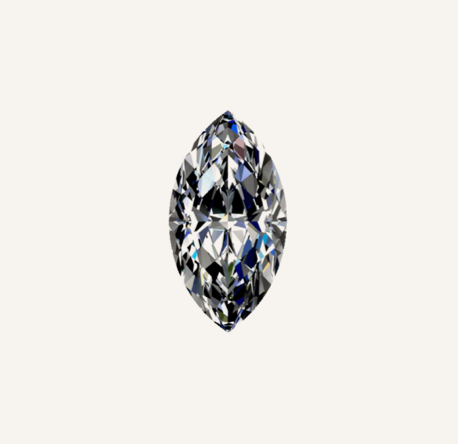
Marquise

Marquise-shaped solitaire diamond

Featuring a large face-up appearance and a long, narrow silhouette, a marquise-shaped diamond creates the impression of greater size while elongating the finger.

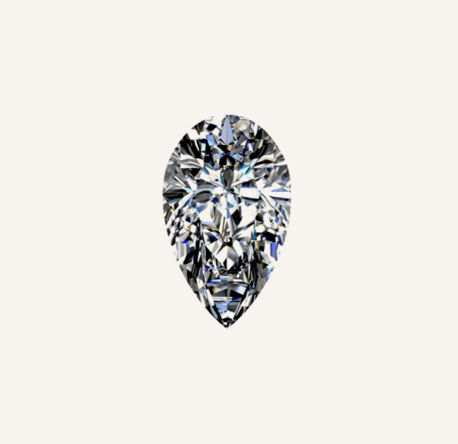
Pear

Pear-shaped solitaire diamond

Much like the marquise, a pear-shaped diamond features a long, narrow silhouette and a prominent face-up profile. Its tapered point extends its visual length.

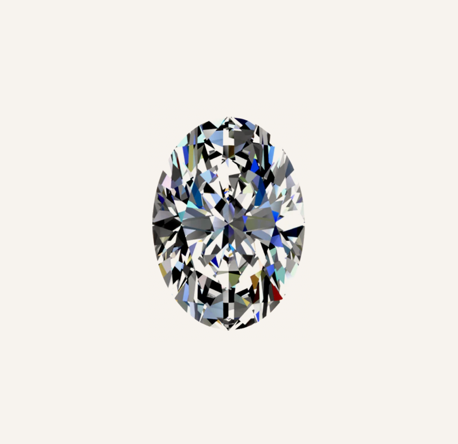
Oval

Oval-shaped solitaire diamond

The oval-shaped diamond is a popular choice that appears larger than round diamonds of equal carat weight.

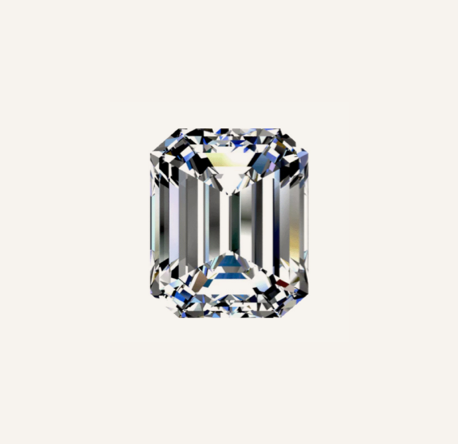
Emerald

Emerald-shaped solitaire diamond

An emerald-shaped diamond is notable for its rectangular appearance, trimmed corners, and step-like facets. With its large table, it creates a broad face-up appearance, making it appear larger than round cuts of the same carat weight.

Radiant

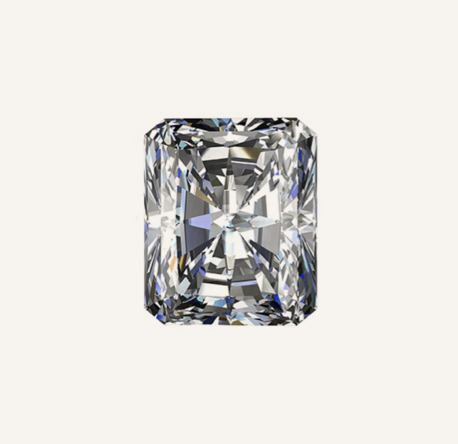
Radiant-shaped solitaire diamond

Radiants are cut to distribute more of their carat weight horizontally across the top rather than hiding it in a deep base beneath the stone. This creates a larger physical surface area compared to cushion or round cuts of identical weight.

Round

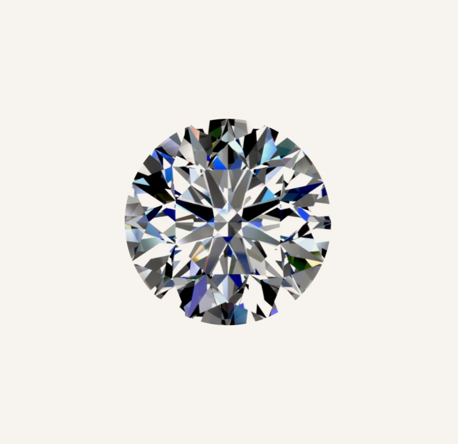
Round brilliant solitaire diamond

Although the round-shaped diamond remains the most popular choice for buyers, it does not offer the largest appearance. A significant portion of its total weight is distributed in its depth rather than its face-up surface area.

Cushion

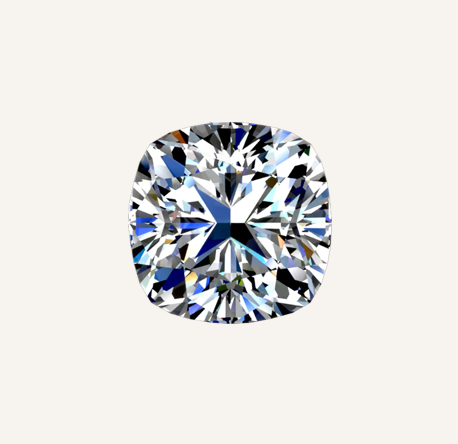
Cushion-shaped solitaire diamond

With its soft outline, a cushion-cut stone projects a smaller appearance than other diamonds with elongated shapes like movals or marquises.

Does Carat Weight Affect How Big a Diamond Looks?

Carat measures the weight of a diamond, not its dimensions. For that reason, two 1-carat diamonds can have different millimeter measurements depending on their shape. A shallow or elongated diamond like a marquise or oval may appear larger.

Choose Your Dazzling Lab-Grown Diamond Engagement Ring Today

Explore our breathtaking selection of lab-grown diamond engagement rings to discover the perfect one for you.